The Role of a Guide in Making Every Journey Smooth and Enjoyable
Introduction
A guide plays a vital role in enhancing experiences, whether traveling, learning a new skill, or exploring unfamiliar environments. Guides provide direction, information, and support that simplify complex tasks and make activities more enjoyable. By offering insights, safety tips, and practical advice, a guide ensures that individuals can focus on experiencing and learning rather than navigating uncertainties. Guides contribute to confidence, convenience, and satisfaction in any journey.
Providing Direction and Clarity
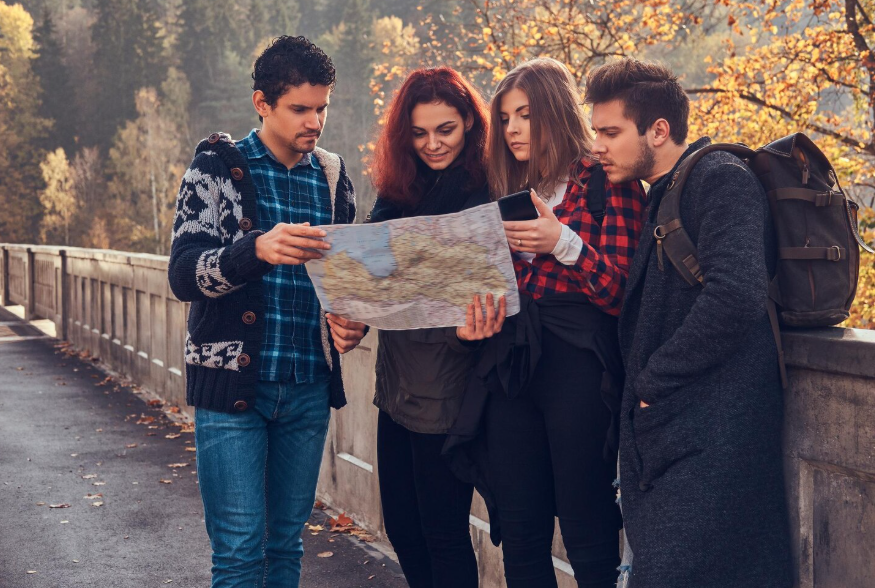
One of the main functions of a guide is to provide direction. This includes offering maps, routes, schedules, and step by step instructions to help individuals navigate unfamiliar terrain or tasks. Clear guidance prevents confusion and helps travelers or learners make informed decisions. A guide transforms uncertainty into structure, allowing people to focus on exploration and experience rather than worrying about logistics.
Sharing Knowledge and Expertise
Guides often share valuable knowledge and expertise that enrich the overall experience. In travel, guides provide historical, cultural, and environmental insights about locations. In learning or skill development, they demonstrate techniques, explain concepts, and offer tips to improve understanding. Access to expert knowledge allows individuals to gain deeper appreciation and understanding of the subject matter, enhancing the value of the experience.
Ensuring Safety and Security
Safety is an essential aspect of any activity, and a guide plays a critical role in minimizing risks. They provide instructions on how to navigate potentially dangerous areas, avoid hazards, and handle emergencies. Awareness of safety protocols reduces anxiety and allows participants to enjoy activities confidently. A guide’s presence ensures that individuals can focus on the experience while remaining secure and prepared.
Enhancing Efficiency and Convenience
Guides streamline activities by reducing unnecessary challenges and delays. They provide advice on timing, resources, and preparation, ensuring smooth progression through activities. In travel, guides help with transportation, accommodation, and local customs, allowing participants to maximize their time. In learning, guides offer shortcuts, best practices, and step by step methods to improve efficiency. This support makes journeys more convenient and rewarding.
Encouraging Engagement and Participation
A guide motivates individuals to actively participate and engage with their environment. By providing structured activities, interactive tasks, and practical exercises, guides encourage exploration and involvement. Active participation enhances learning and enjoyment, turning passive observation into meaningful experience. Guides inspire curiosity and foster enthusiasm, making every journey more memorable.
Building Confidence and Reducing Stress
Guides instill confidence by offering reassurance, advice, and support. Knowing that guidance is available reduces stress and hesitation, allowing individuals to take on challenges with assurance. Confidence gained through guided activities encourages independence, risk taking, and personal growth. Participants feel empowered to explore, learn, and achieve goals while having the support they need.
Facilitating Social Connections
Guides often create opportunities for social interaction among participants. Group activities, shared experiences, and collaborative tasks encourage communication, cooperation, and camaraderie. These interactions strengthen bonds and provide a sense of community. Engaging with others under a guide’s direction enhances enjoyment and creates lasting memories of shared experiences.
Adapting to Different Needs
Effective guides tailor their approach to meet the specific needs of individuals or groups. They consider factors such as skill level, preferences, physical ability, and interests to provide relevant and personalized support. Adaptability ensures that everyone can benefit from guidance, making experiences inclusive, accessible, and enjoyable.
Encouraging Reflection and Learning
A guide also encourages reflection and learning by prompting participants to consider their experiences and insights. Reflection helps consolidate knowledge, recognize achievements, and identify areas for improvement. This process enhances understanding and personal growth, ensuring that the journey has a lasting impact beyond the activity itself.
Conclusion
The role of a guide in making every journey smooth and enjoyable is multifaceted. By providing direction, sharing knowledge, ensuring safety, enhancing efficiency, and encouraging engagement, guides transform ordinary activities into meaningful experiences. They build confidence, foster social connections, adapt to individual needs, and promote reflection and learning. Using a guide allows individuals to focus on discovery, enjoyment, and growth while minimizing stress and uncertainty. Effective guidance ensures that every journey is memorable, educational, and fulfilling.